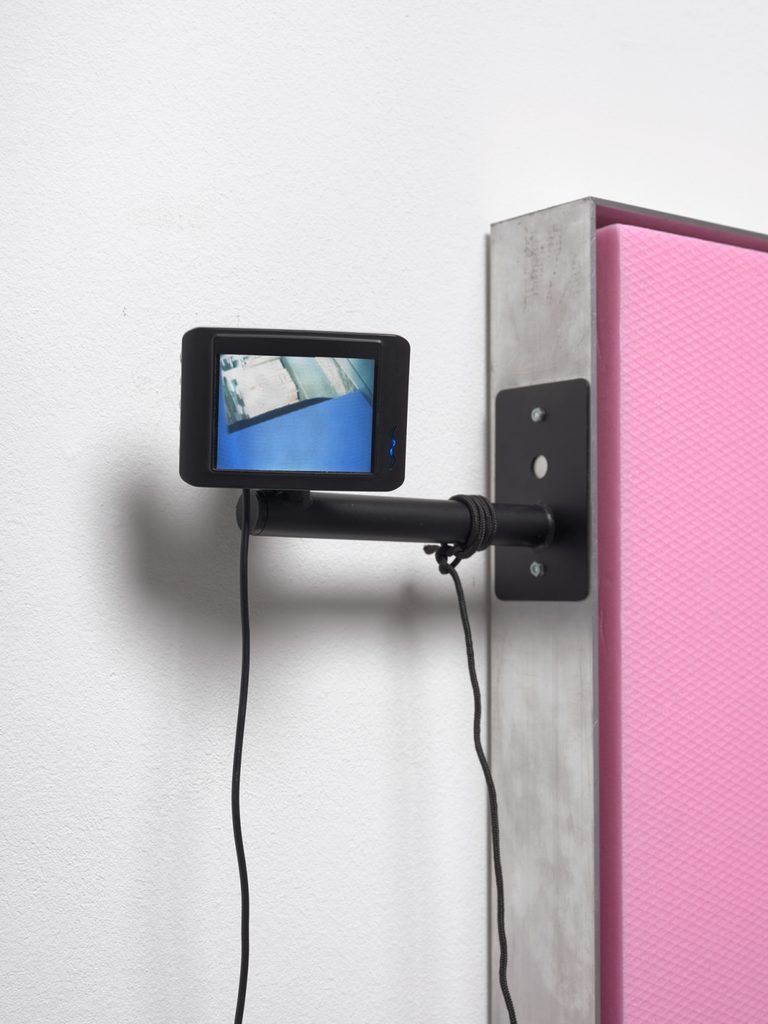
Docile Bodies: Surveillance and the Senses in Julia Scher’s Security Landscape of the Year
Paper
This paper explores surveillance as a major mediator through which audiences experience works of art in the museum context. In contemporary “surveillance artist” Julia Scher’s 2002 Security Landscape of the Year (see here), audiences are confronted by a potentially violent tactile encounter before realizing they are being recorded. Both the surveillance technologies and the tactility of this work generates tension in the body that might reveal to audiences the existing tension that imbues all experiences in the museum. Drawing from Foucault’s conception of ‘docile bodies,’ the paper positions Scher’s work as a microcosm of the subconscious conditioned through which museums control the bodies of visitors, and therefore, experiences they are allowed to have. The paper concludes by suggesting that Scher’s intervention into the somatic experiences of specific viewers might be extrapolated further: in particular, that museum professionals and scholars ought to better account for surveillance as an important aspect of visitors’ encounters in the museum.
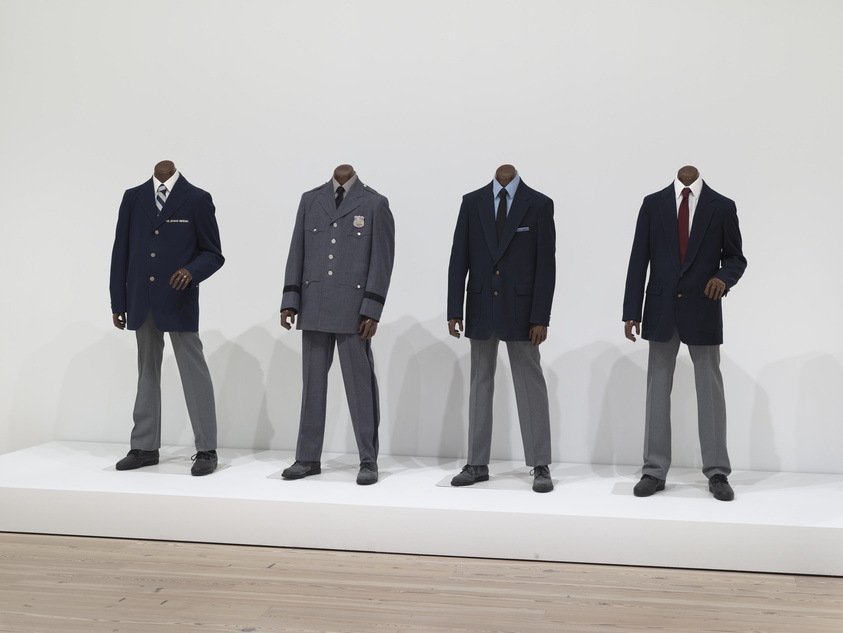
Who Guards the Art? Fred Wilson’s Guarded View, Museum Security Guards, and Equity in the Museum
Undergraduate Honor’s thesis
This thesis connects the artist Fred Wilson—and the ideological framework surrounding his exhibits—with the modern museum labor movement. More specifically, it examines his work Guarded View (1991), a striking social commentary on the invisibility of museum security guards, and applies its message to modern-day guards in Baltimore, MD, the city in which Wilson created his influential exhibit, Mining the Museum (1992). With a focus on the decolonizing and anti-racist texts which Wilson reflects through his many installations, Guarded View is assessed in terms of the colonial frameworks of the museum institution, in terms of racialized labor, and in terms of the museum’s propensity to construct conceptions of the racialized “other.” This commentary is extended by an exploration of surveillance studies, a field which has asserted the deep relationship between surveillance technologies and the continuing enforcement of racial capitalism. Ultimately, this thesis seeks to advocate to museum professionals and art historians in particular that they recognize Wilson’s art for the political discourse it helped begin, and apply that discourse by standing in solidarity with museum workers. Presented at SUNY New Paltz’s 2024 Undergraduate Art History Symposium.
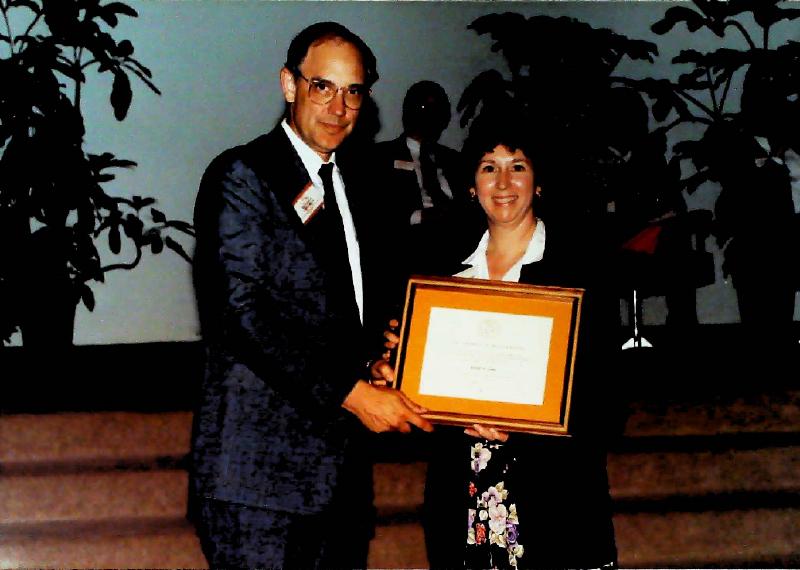
University of Texas at Austin, Center for Teaching and Learning Archives
Digital archive
This is a digital archive of the internal records of UT Austin’s Center for Teaching and Learning, began in 1974 as one of the first university-wide faculty development centers in the country. The digitization of their records culminated in an Omeka project, independently developed by Miranda under the supervision of UT Austin’s Digital Humanities Institute.
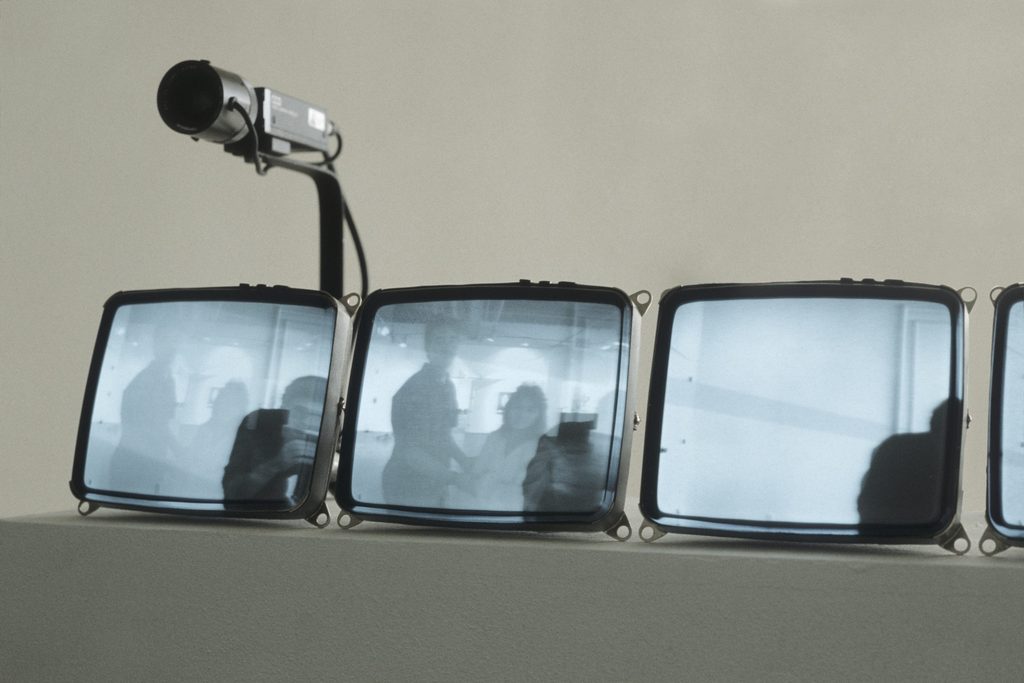
Digital Memory, Digital Noise: Unsettling Technological Regimes of Vision in Jim Campbell’s Memory / Recollection